Thought Leadership
A strategic report detailing how Managing General Agents can escape the hidden taxes of legacy broker platforms and leverage API-driven distribution to drastically cut costs, increase underwriter capacity, and regain control of their digital distribution.
API-Driven Distribution
The next infrastructure layer for Managing General Agents
The Hidden Taxes of Legacy Distribution (And How MGAs Can Fix It)
Commercial insurance distribution is undergoing a massive structural shift. The legacy broker software platforms that have handled e-trading for two decades were simply not designed for today's market of specialist underwriting, scheme distribution, and embedded insurance.
If you are a Managing General Agent (MGA) relying on these traditional systems, you are likely paying three hidden taxes on your distribution:
The Data Tax: To fit a standard platform grid, your products are forced to conform to generic question sets, meaning submissions arrive full of irrelevant data while missing the inputs that actually matter.
The Speed Tax: Product updates are held hostage to someone else's development cycle, often sitting in queues for months.
The Visibility Tax: You only see what you bind, leaving you blind to submission volumes, declined risks, or why a specific quote was lost.
From Renting to Owning Your Distribution
A new architecture is emerging: API-driven distribution.
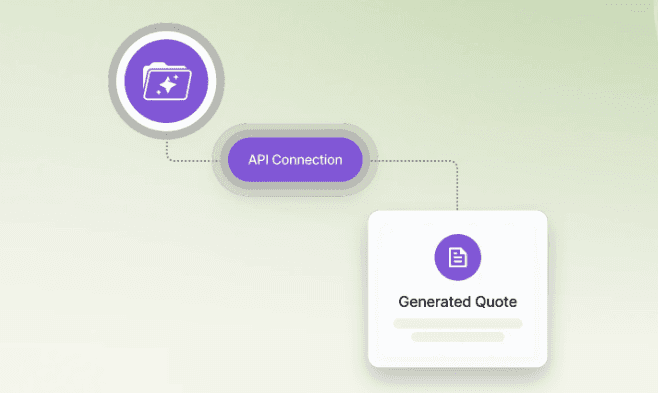
Instead of routing your products through closed middleware, you can expose your underwriting engines directly through programmable interfaces. By owning your underwriting API, you separate your underwriting from the platforms that have historically stood between you and the broker.
The economic case for making this shift is already highly measurable. In our latest whitepaper, API-Driven Distribution: The next infrastructure layer for Managing General Agents, we break down the operational data from early movers.
Download the full report to discover how API workflows are driving:
60-80% lower administrative processing costs per policy.
3.5× increases in underwriter capacity (jumping from £1.3m to £4.5m of premium per underwriter).
5-10% improvements in quote conversion rates.
Download the full report today


Related Posts